The role of sensors in engines
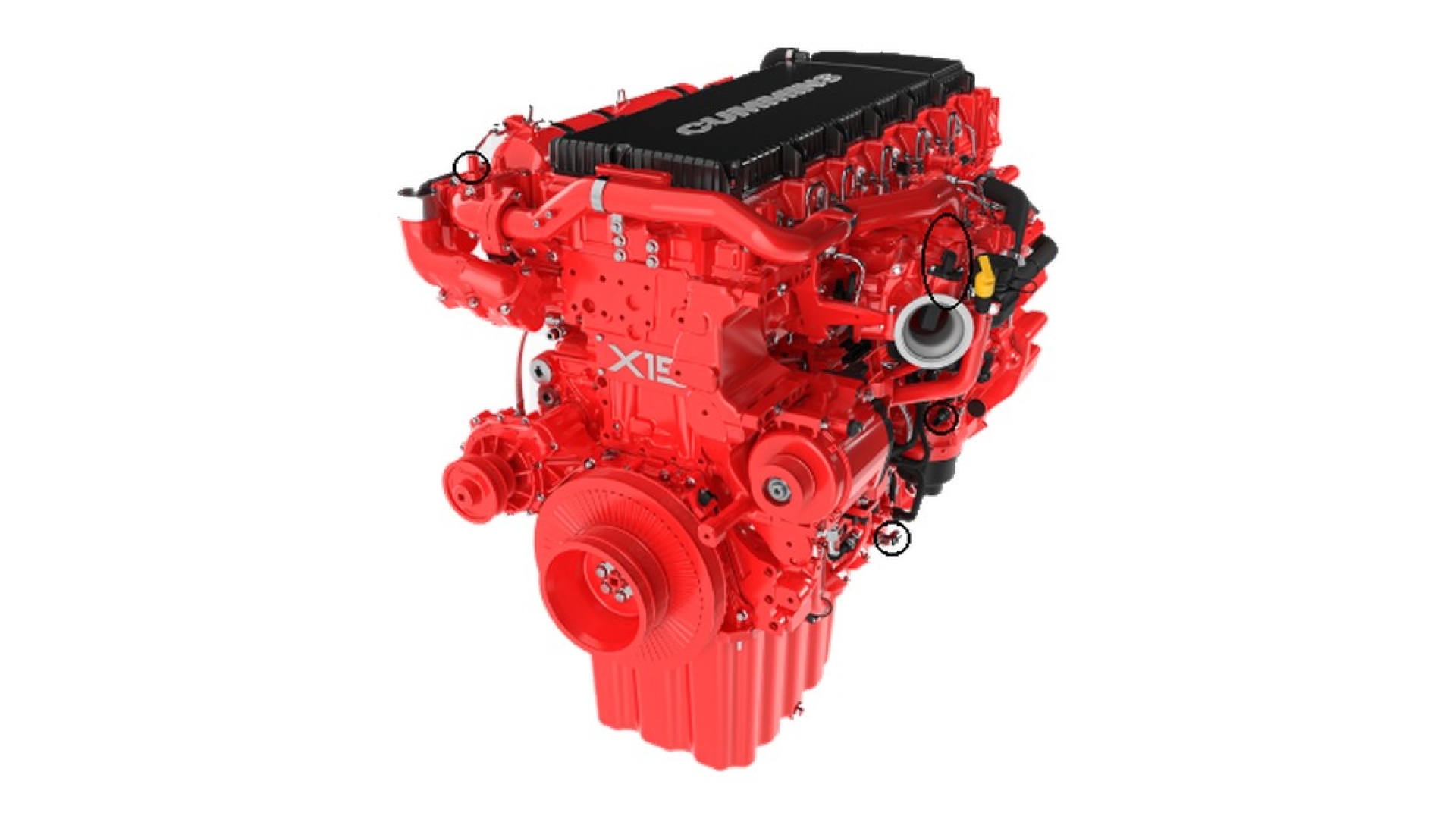
For more than a century, Cummins Inc. has advanced power technologies that help customers improve performance, reliability and efficiency. As we look ahead to the next hundred years, we aim to continue driving the industry forward by setting the standard with innovations that improve performance, reliability, efficiency, and sustainability.
Our software and electronics engineers are focused on ensuring that the cost-to-quality promise we make to our customers is always met, providing the tangible value our customers’ demand. Nowhere is this more apparent than in the work we do for technologies and components that many people never see—equipment like the sophisticated network of sensors and control units that function as the nerves and brain of an engine system.
Sensors collect information and provide data to control units. These control units are programmed to compare that data against the optimal operating parameters of the equipment that the sensors monitor. Based on the information provided, the control units can signal actuators to adjust a component’s operations as needed, ensuring each part is operating appropriately.
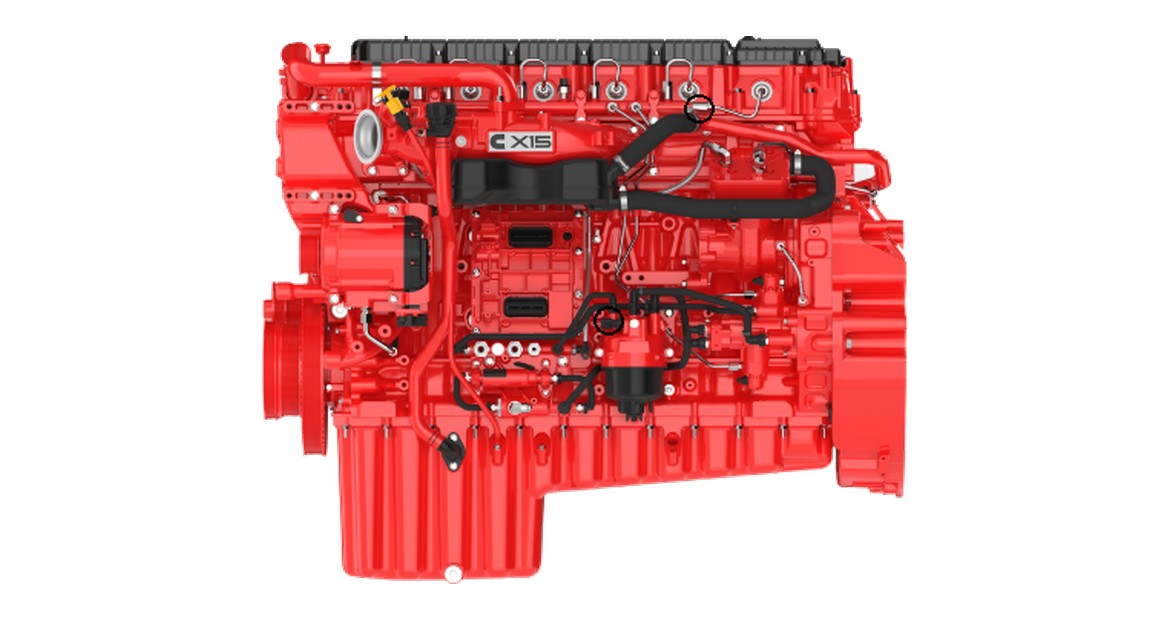
For instance, you might want to know the output of the exhaust manifold. That information can confirm whether fuel timing is working effectively; if not, actuators can adjust to course correct that system.
How engine sensors improve performance and emissions
At Cummins, we rely on sensor technologies to ensure the efficiency, reliability, and durability of an engine system.
Data from sensors can help engine systems comply with regulations on safety and pollution and can detect potential failures that could cause significant damage to a vehicle, preventing vehicle problems and more costly maintenance down the road.
Put simply, sensors optimize vehicle performance. Whatever the powertrain—whether diesel, natural gas, fuel cells, or batteries—sensors monitor, manage, and improve performance.
What sensors are used in engines
Commercial vehicles use sensors to monitor pressure, temperature, emissions, fluid quality, airflow and engine speed. These sensors provide real-time data that help electronic control systems optimize performance, reliability, fuel efficiency and emissions compliance.
Given the complexity of modern engines, a variety of sensors work together to ensure they perform correctly.
While customers may see a sensor by its function, such as a pressure sensor or temperature sensor, the technology inside can vary significantly depending on the application, supplier design and operating environment. In general, engine sensors can be divided into a few main categories, including sensors for monitoring pressure, temperature, flow, level, speed or position, chemical composition and fluid properties.
- Pressure Sensors: Measure absolute, gauge, and differential pressures. In an engine, applications include oil, fuel, and exhaust manifold pressures.
- Temperature Sensors: Monitor the temperatures of liquids such as oil, coolant, and exhaust gases.
- Flow Sensors: Measure blowby flow, mass airflow, and exhaust gas recirculation (EGR) flow.
- Level Sensors: Detect levels of oil, coolant, and urea.
- Speed/Position Sensors: Track engine speed, cam position, turbo speed, and vehicle speed.
- Chemical Sensors: Detect exhaust NOx, O2, ammonia, particulate matter, and fresh air humidity.
- Fluid Property Sensors: Assess oil quality, coolant quality, and fuel condition.
What are the differences in sensor arrays for various combustion engines
Depending on the fuel source, the types of sensors installed will vary based on the conditions the engine needs to monitor, the environment those sensors are operating within, and the levels of accuracy or functionality the sensors need to meet. For instance, natural gas engines need oxygen sensors, while diesel engines require NOx sensors.
Aftertreatment sensors and onboard diagnostics
Regulations have also added to the types of sensors powertrains need, specifically around aftertreatment and for onboard diagnostics.
To receive onboard diagnostic certification, Cummins must prove that the sensor can last over a vehicle’s lifetime, even after a decade or more of wear and tear.
Meeting the standards of onboard diagnostics approvals sets a high bar for the quality and durability of all our components, and our engineers are making sure every sensor in a Cummins engine is up to the challenge.
Cummins is leading the way in sensor technology
For us, leading in engine technology also means advancing the sensor technologies, analytics and software that help powertrains operate more intelligently. Sensors do more than monitor performance; they generate the data that enables control systems to make real-time decisions, support onboard diagnostics and help technicians identify potential issues before they become larger problems.
This connected approach is increasingly important as the industry moves toward more software-defined, data-driven vehicle systems. Sensor inputs related to temperature, pressure, vibration, resistance, fluid condition and emissions can help create a clearer picture of how an engine is performing in real-world conditions. That insight supports more precise controls, improved serviceability, stronger prognostics and continued progress in reliability, efficiency and emissions performance.
Cummins engineers work closely with suppliers to define rigorous specifications for sensor quality, durability and performance. These standards help ensure that sensors can operate in demanding environments over the life of the engine while supporting the data, diagnostics and control strategies that customers depend on every day.
As engines and powertrains become more connected, sensors will continue to play a critical role in Cummins’ ability to deliver dependable, efficient and intelligent solutions. Through continued innovation in sensing, controls, diagnostics and analytics, Cummins is helping shape the future of heavy-duty power in the software-defined era.
Reach out to your local Cummins sales and service representative for more information.
Author Profiles