Rethinking remanufacturing at Plainfield
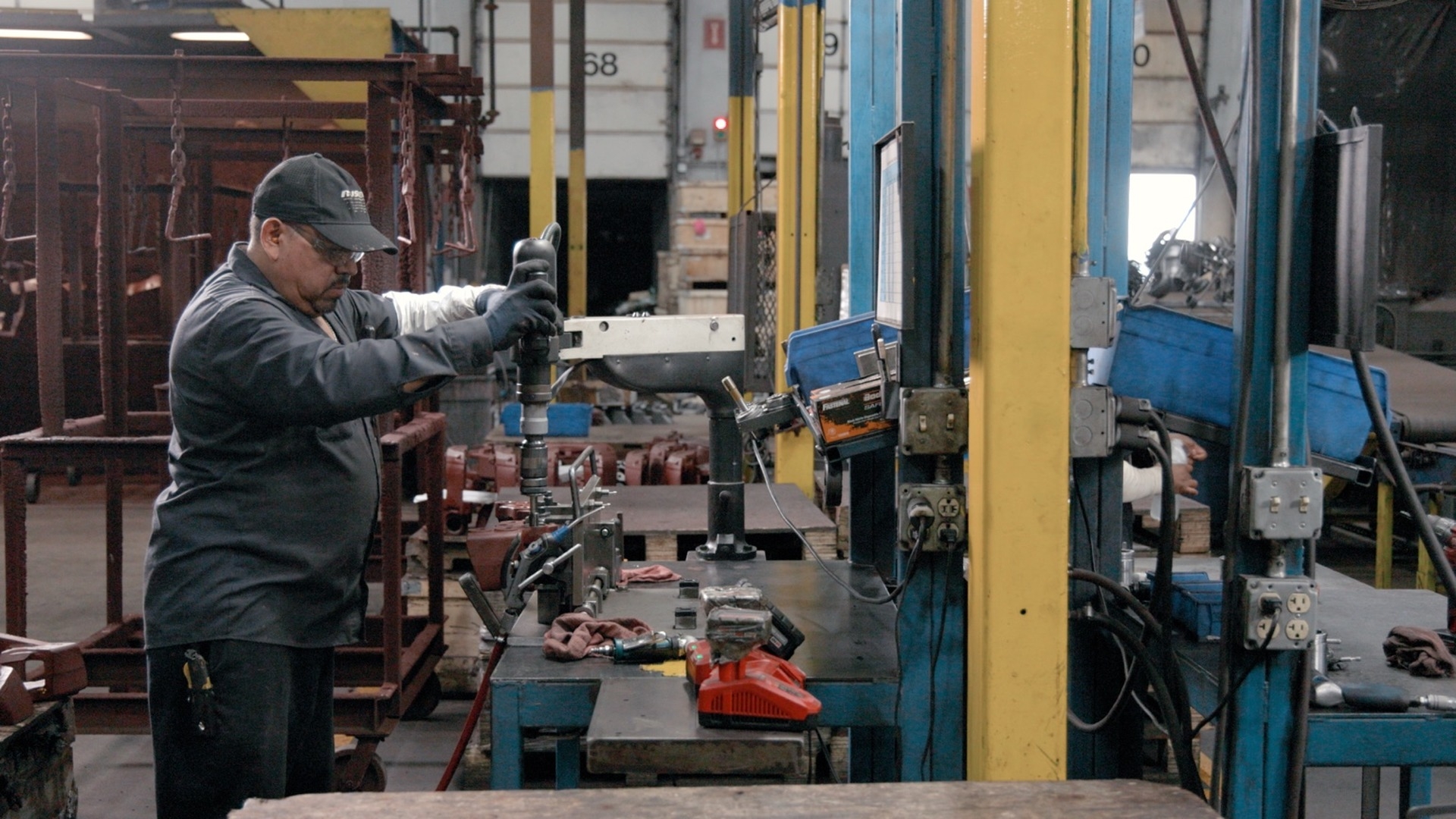
Since its opening in 1999, Cummins’ Plainfield facility has given a second life to more than 100 million brake shoes.
Step inside the plant, and you might think you are watching new parts roll off assembly lines. You would see hundreds of brake shoes move through a manufacturing process defined by precision, efficiency and consistency. It would not look like a repair shop.
That is because remanufacturing at Plainfield is much closer to manufacturing than it is to repair.
What is remanufacturing?
Remanufacturing is often misunderstood. To some, the word suggests patched-up parts or secondhand components that may not be as reliable as new parts. Remanufacturing at Plainfield tells a different story. Worn parts are received, disassembled, cleaned and inspected. They are rebuilt and tested to engineering specifications equivalent to the original manufacturing specifications. In some cases, critical components are replaced with genuine OEM components. It is a highly engineered process that restores parts to their original condition. Remanufacturing is not “used”; it is engineered.
Plainfield is not a repair shop, either. It is a high-output, world-class remanufacturing center built around robust quality systems, high-tech automation and engineered processes. The Manufactured Again™-certified site spans 275,000 square feet and operates with 314 employees on a two-shift model. Every year, Plainfield produces up to 7.9 million brake shoes.
Engineering built into every step
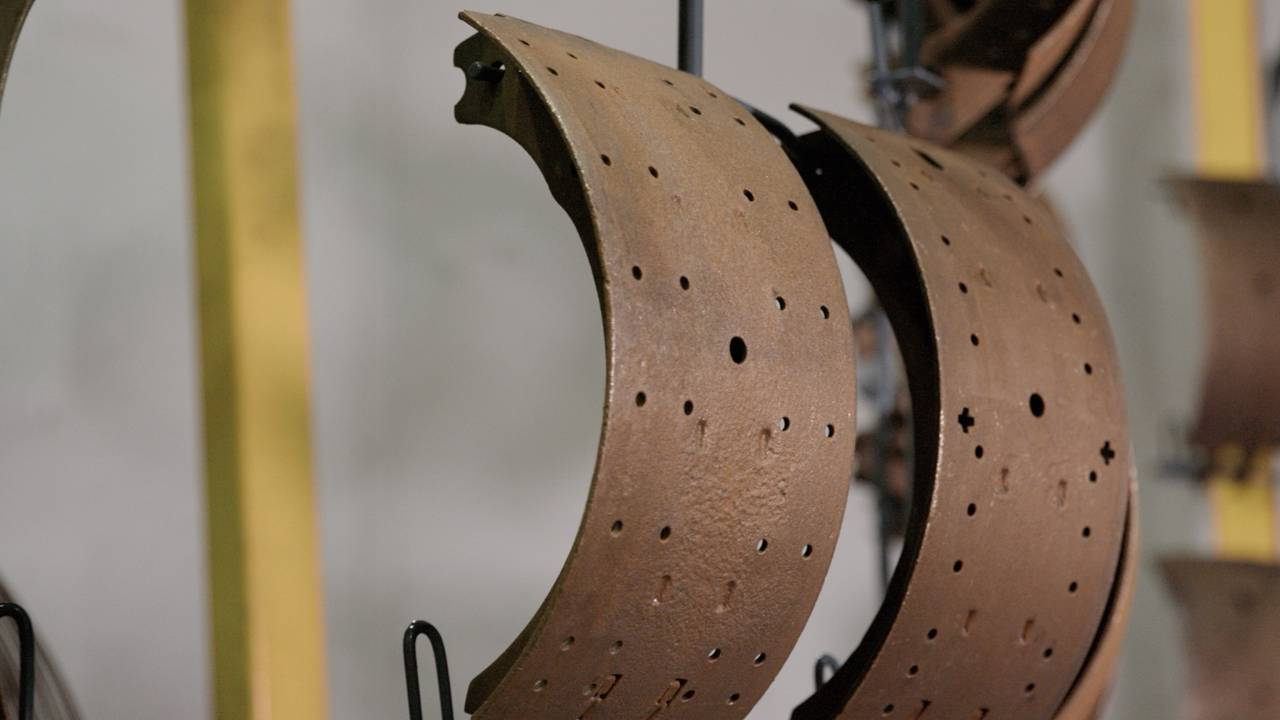
The brake shoe process begins when incoming parts are sorted, verified and tagged. From there, shoes move through a series of process steps that include heat treatment, steel shot blasting and re-forming under hundreds of tons of pressure in a heavy hydraulic press.
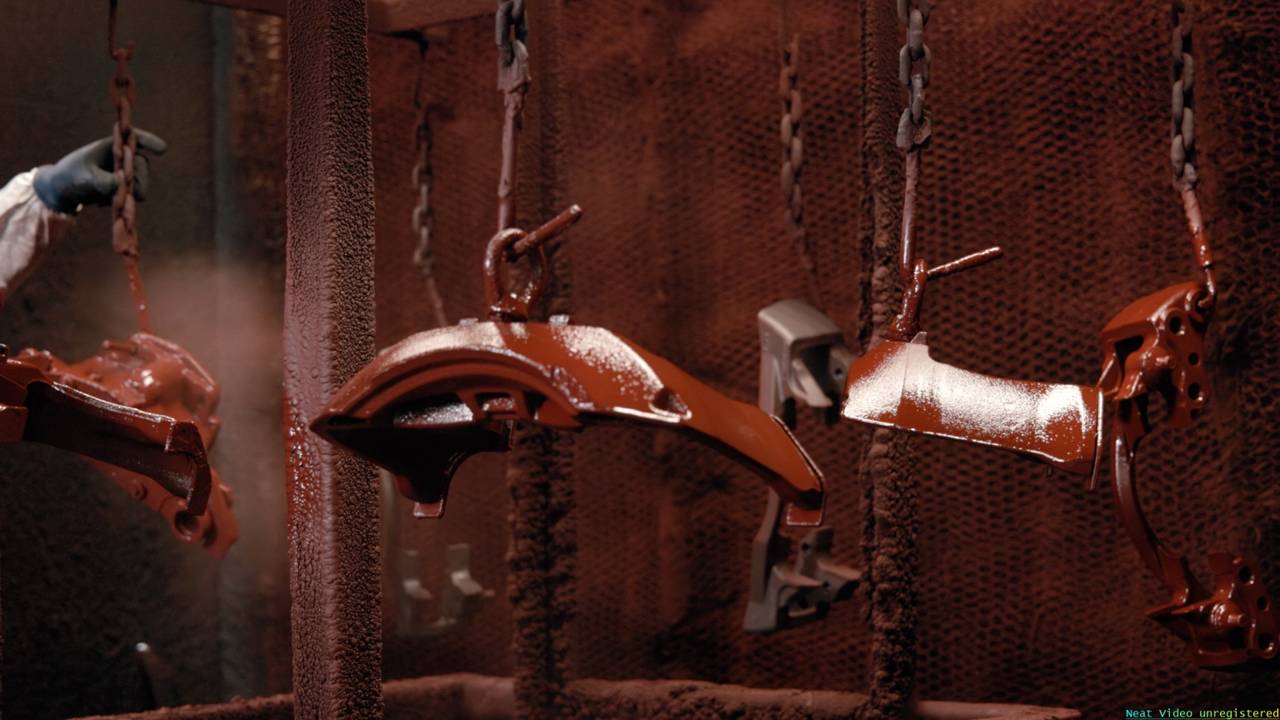
The PlatinumShield™ III coating process features a five-stage wash and pretreatment system followed by coating and curing, helping ensure the parts are protected against rust and wear.
Automation supports consistency at scale. Plainfield’s ROSIE automated riveting machines handle a wide mix of brake shoe configurations with repeatable precision. The site introduced its first prototype in 2018 and expanded the system over time to cover nearly the full product mix.
Quality assurance is integral to Plainfield’s operations. Vision systems, coordinate measuring machine (CMM) scans, auto-gauging and go/no-go checks ensure each component meets specifications. Quality is backstopped by ISO 9001:2015-certified processes, certified operators and structured problem-solving methods such as 8D corrective action.
Together, these steps produce a simple outcome: Remanufactured parts are nearly indistinguishable from original parts.
More than brake shoes
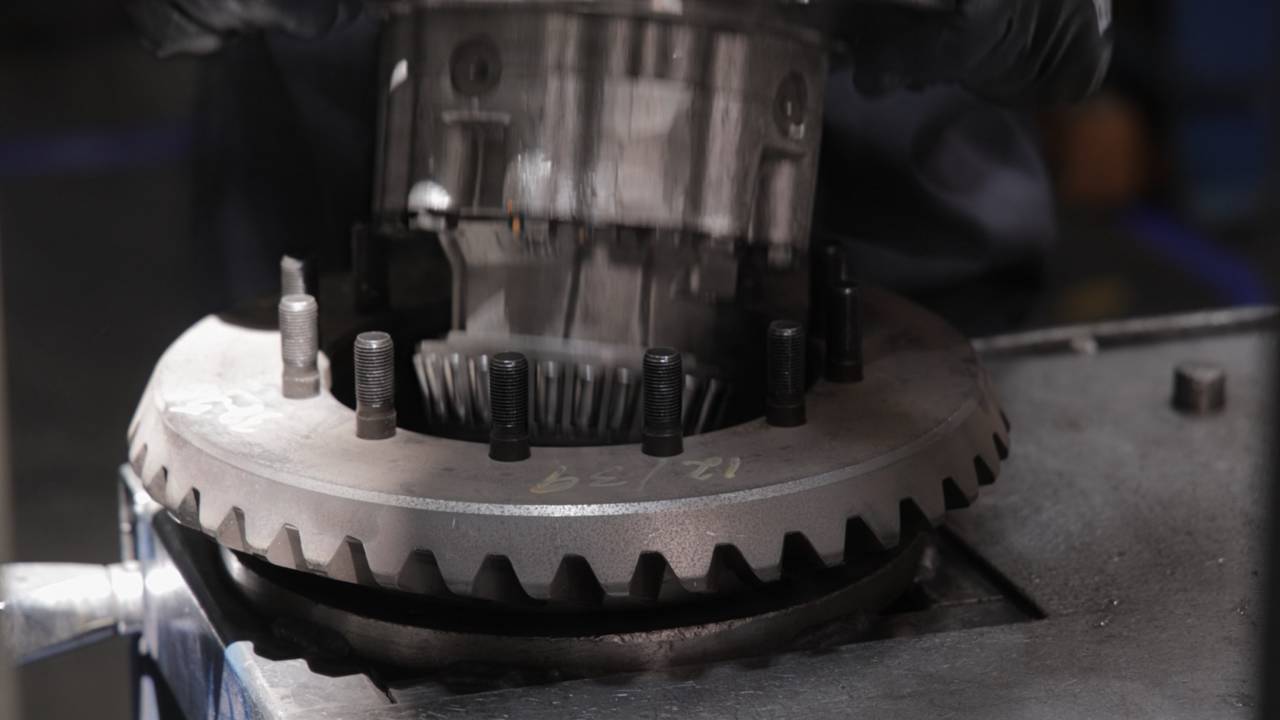
The same engineering approach applies across Plainfield’s broader remanufacturing portfolio, which includes brake calipers and drivetrain components such as differential carriers. All are rebuilt using genuine Meritor components to meet strict performance standards.
Plainfield also has the capability to remanufacture parts from other OEMs across several product categories. For customers who operate fleets of vehicles with mixed equipment, being able to use Cummins as a one-stop shop for all their remanufacturing needs is fast, effective and easy.
Each product follows a specific rebuild and validation process. Calipers undergo air actuation, leak checks, pressure testing and functional verification. Differential assemblies are rebuilt using Cummins-approved processes and 100 percent genuine components. The result is a remanufactured product designed to meet or exceed original specifications.
Scale reinforces consistency. Plainfield has remanufactured tens of thousands of drivetrain components and more than 100 million brake shoes while managing thousands of active part numbers and high monthly production volumes.
Closing with impact
As a leader in the remanufacturing industry, Plainfield sets the standard for how the industry thinks about sustainability. Remanufacturing reduces the need for new raw materials by recovering and restoring existing components. At Plainfield, that includes recycling more than 12 million pounds of steel annually and reducing demand for energy-intensive inputs like iron ore.
At the same time, the process maintains the standards customers expect from original equipment. That combination of performance and resource efficiency positions remanufacturing as a key part of making heavy-duty transportation more sustainable.
Plainfield shows what that looks like in practice. With engineered processes, advanced inspection systems and large-scale production capability, Cummins demonstrates how remanufacturing should be done.
Author Profiles